Men’s Reproductive and Hormonal Health: Warning Signs You Shouldn’t Ignore
What are the causes of testicle pain
Most men are concerned when they experience pain in the testicles, but not all pain is an indication of a serious illness. And there is no reason to worry if a man feels pain in the testicles during or after intercourse. But the pain may be an indication of inflammation, and here it is advisable to see a doctor, especially if the pain is persistent.
The German website Abbotiken Omchau lists the most important symptoms and causes of testicle pain:
Testicular cancer: Although testicular cancer does not usually hurt, and its symptoms are a solid swelling or knot in the testicles, but the pain may appear very late. Doctors recommend examining the testes and examining them from time to time because the chances of cancer treatment are very great.
Most men are concerned when they experience pain in the testicles, but not all pain is an indication of a serious illness. And there is no reason to worry if a man feels pain in the testicles during or after intercourse. But the pain may be an indication of the presence of inflammation, and here it is advisable to see a doctor, especially if the pain is continuous.
The German website Abbotiken Omchau lists the most important symptoms and causes of testicle pain:
Testicular cancer: Although testicular cancer does not usually hurt, and its symptoms are a solid swelling or knot in the testicles, but the pain may appear very late. Doctors recommend examining the testes and examining them from time to time because the chances of cancer treatment are very great.
Testicle inflammation: If a man feels pain in one of his testicles accompanied by swelling or redness, then the cause is probably inflammation. Pains appear in only one testicle and rarely in both, and they may be accompanied by a headache, fever, and fatigue.
Urinary tract infections: The so-called epididymitis occurs when the bladder, urinary tract or prostate becomes inflamed, in which case the germs rise from the sperm ducts to the epididymis. Symptoms may appear as back pain or abdominal pain. In this case, it is advised to visit the doctor quickly, because lack of treatment may lead to damage to the testicle tissue and consequently to infertility. Doctors with testicles are advised to stay in bed and place a cold-filled bag of ice under the testes to cool them.
Hernia: One may feel pain in the testicles that resemble colic, as well as pain when coughing, and this often results in thickening or swelling in the area of the upper thighs or in the testicle itself. Here, the specialist can examine the hernia and perform surgery.
Testicular torsion in children and young adults: Torsion of the testicles is intended to mean that the testicle wraps around the blood vessels that supply it with blood. The cause is usually a birth defect of the scrotal testicle. Most often this sprain occurs in infants and young adults, and its symptoms are sudden sharp pain in the testes and upper thigh with swelling and redness in the affected testicle, which often becomes slightly higher than the other testicle. Symptoms of testicular torsion also include nausea, vomiting, and circulatory problems.
The sprain of the testicle stops the blood from reaching it, and it turns blue. In this case, the testicle must be quickly returned to its normal shape, otherwise, it may die. This is done through surgery. When suspicious of a child’s testis, it is advised that he be quickly transferred to the emergency department of the nearest hospital.
Pain in the testicles after intercourse A man may feel pain after intercourse because the testes are more sensitive. This is normal and does not cause concern. This often occurs when the ejaculation does not occur or the erection lasts longer. The reason is due to a large amount of blood that reaches the genitals, which may lead to spasms in the muscles of the sperm ducts.
Alarming Symptoms Of Tonsilloliths That Should Never Be Ignored
Ever experience a sore throat but think there could be more to it than having strep throat or tonsillitis? Maybe you’ve noticed your tonsils are swollen or you see something strange at the back of your throat. Pair those symptoms with the sensation of something stuck in your throat and chances are you may have tonsil stones. So what are they, exactly?
“Formally known as tonsilloliths, the stones consist of mucus, dead cells and other debris that collect in the deep pockets of the tonsils and gradually condense into small, light-colored globs,” The New York Times explains. What causes these lumps of calcified material to appear are generally unknown, but medical professionals believe bacteria in the mouth may have something to do with their formation.
The good news is that a lot of the time, tonsil stones don’t require any treatment. They often don’t produce any symptoms, and some are small enough that they can be removed with a finger or the tip of your tongue. Larger stones, however, may require antibiotics or surgery, so it’s important to visit your doctor if you think you might have them.
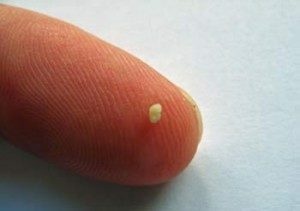
Here are six possible symptoms to watch for when it comes to tonsil stones:
1. Bad Breath Tonsil stones are known for attracting bacteria and giving off a putrid smell, causing halitosis, or really bad breath.
2. Sore Throat Tonsil stones may make it painful to swallow. They can also cause coughing fits and in some cases, even choking.
3. Swollen Tonsils
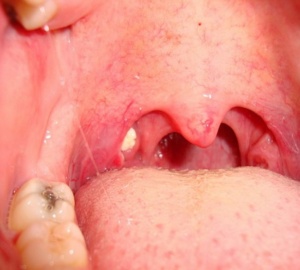
Larger tonsilloliths often go hand-in-hand with tonsil infection, causing inflammation.
4. Difficulty Swallowing
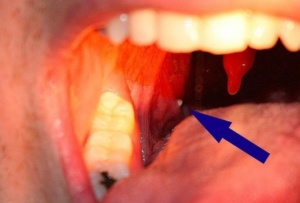
Swelling and larger stones may make it difficult for you to swallow depending on where they’re located.
5. Ear Ache Because tonsils share nerve pathways with the ears, a tonsil stone close to the nerve could cause ear pain.
6. White Debris
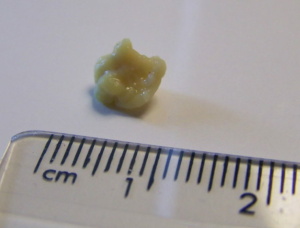
Tonsil stones are solid, white lumps that can be seen at the back of the throat. Some even have a similar appearance to teeth.
I’ll be sure to visit my doctor ASAP if I ever notice any of these symptoms. Have you ever dealt with tonsil stones?
Symptoms indicate that you have a problem in your ear
If you have any of these symptoms you should see your doctor as soon as possible to see if you have a problem with your ears.
The ear of the ear is one of the smallest and most complex structures of the organism and is usually more prone to problems that must be identified in time to avoid complications.
Hearing disorders, especially progressive hearing loss, can be exacerbated without showing many signs, so a doctor’s visit is necessary.
Here we highlight the five main symptoms that mean that the ear has some problems:
Temporary hearing loss in one or both ears We may experience severe hearing loss caused by noise, and this happens when we experience a high amount of high noise for a long period of time. Symptoms often include hearing loss in one or both ears, where sounds can be heard as if we were wearing earplugs.
Other causes include wax buildup in the ears, foreign body in the ear, or previous injuries to the inner, middle or outer ear.
2 – intermittent tinnitus in the ear This type of annoying and intermittent tinnitus is not a symptom of madness, but a symptom of ear disorders, such as hearing loss due to age, ear injury, or even a circulatory disorder or any other disorder.
3 – Discomfort from small noise Do you feel nervous when someone chews? Are you upset about the sound of knives when eating? If you get upset with things like that, you may have a disorder in your ear. This is called “misophonia”, a neurological disease characterized by a negative emotional reaction to hearing some of the sounds that cause him anger and tension, that is, a neurological disorder located in the upper structures of the central nervous system.
Based on the emotional response it generates, a doctor should be consulted, although there is still a cure for these diseases except for some types of cognitive-behavioral therapy.
4 – Vertigo Or “Mounir’s disease” is a disorder in the inside of the ear that will cause severe dizziness and severe patriotism, as well as a feeling of pressure and pain in the ear. The condition is chronic, and doctors are still unaware of its exact cause, although fluid accumulation and drainage problems from the ear can contribute to the disorder. Monier’s disease usually affects one ear and is a common cause of deafness.
5 – hear your pulse continuously This type of symptom is different from tinnitus and is known as pulsating or rhythmic tinnitus.
Pulsed tinnitus is often caused by certain health problems, such as irregular blood vessels, high blood pressure, atherosclerosis, or head and neck tumors.